
Senate Prepares to Confirm Jay Clayton as Director of National Intelligence
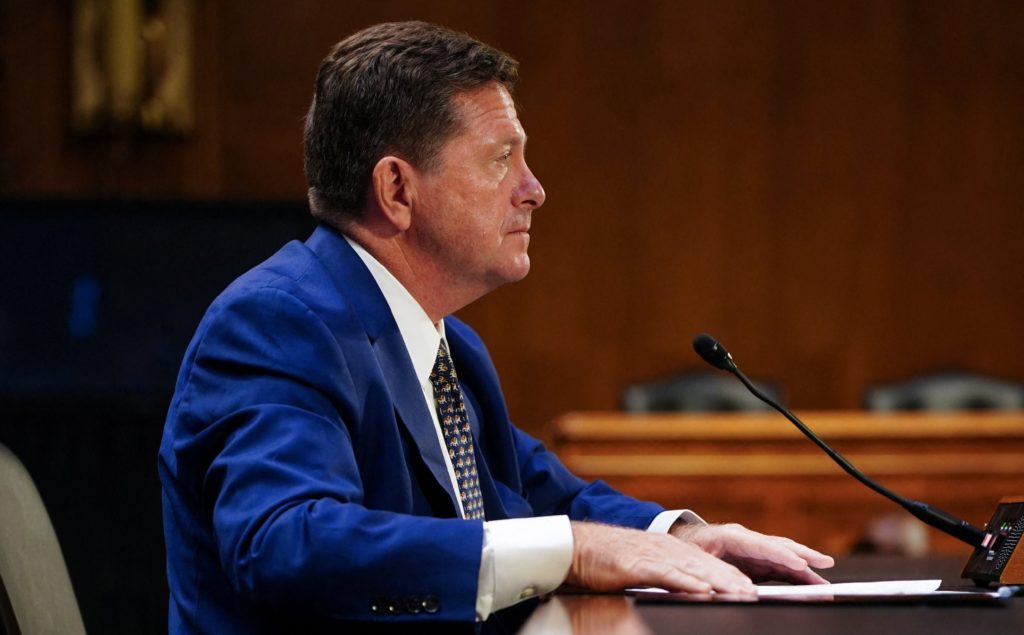
The Senate is expected to confirm Jay Clayton as Director of National Intelligence in a party-line vote, following a hearing in which he declined to affirm the outcome of the 2020 election.
The U.S. Senate is moving toward a confirmation vote for Jay Clayton, nominated to serve as Director of National Intelligence, according to PBS NewsHour, Politics. The vote is expected to fall along party lines.
The outlet reports that Clayton's confirmation hearing, held two weeks prior, drew significant attention when he repeatedly declined to state that former President Joe Biden won the 2020 election,a position senators on both sides of the aisle questioned.
Why This Matters Now
The Director of National Intelligence oversees the United States intelligence community, coordinating the work of 18 federal agencies that inform national security decisions at the highest levels of government. The role carries substantial responsibility for the quality and integrity of information that reaches policymakers. Clayton, a former chairman of the Securities and Exchange Commission, has not previously served in an intelligence capacity.
Who Is Affected
The confirmation touches several constituencies: intelligence professionals who work within the agencies Clayton would oversee, lawmakers who rely on intelligence assessments to conduct oversight, and the broader public whose security depends on the coherence and trustworthiness of that system. Senators who supported his nomination have pointed to his administrative and regulatory experience as preparation for managing a complex institutional portfolio. Those who opposed it have argued that his reluctance to affirm a documented electoral outcome raised questions about his willingness to report intelligence findings without deference to political considerations.
What Remains Unknown
The source does not detail the final vote count, Clayton's specific policy priorities for the intelligence community, or the administration's stated rationale for selecting him. It is also not reported whether Clayton addressed his electoral comments further before the vote, or whether any senators broke from their party's expected position.
---
Four-lens scores, each out of 10. Biblical Alignment 9. Prophetic Significance 7. Source Credibility 7. Humanities Impact 7.
Why this assessment
Read the four lenses together, not the total. A high score does not mean a story is true, morally good, prophetically fulfilled, or endorsed by Dot 1 News; a low score does not mean it is false or unimportant. Source Credibility concerns evidence only and is separate from theological alignment.
D1‑4LS assessment · an experimental framework still being tested. How the scoring works
Loading…