
A Theologian Asks What AI Reveals About Human Dignity
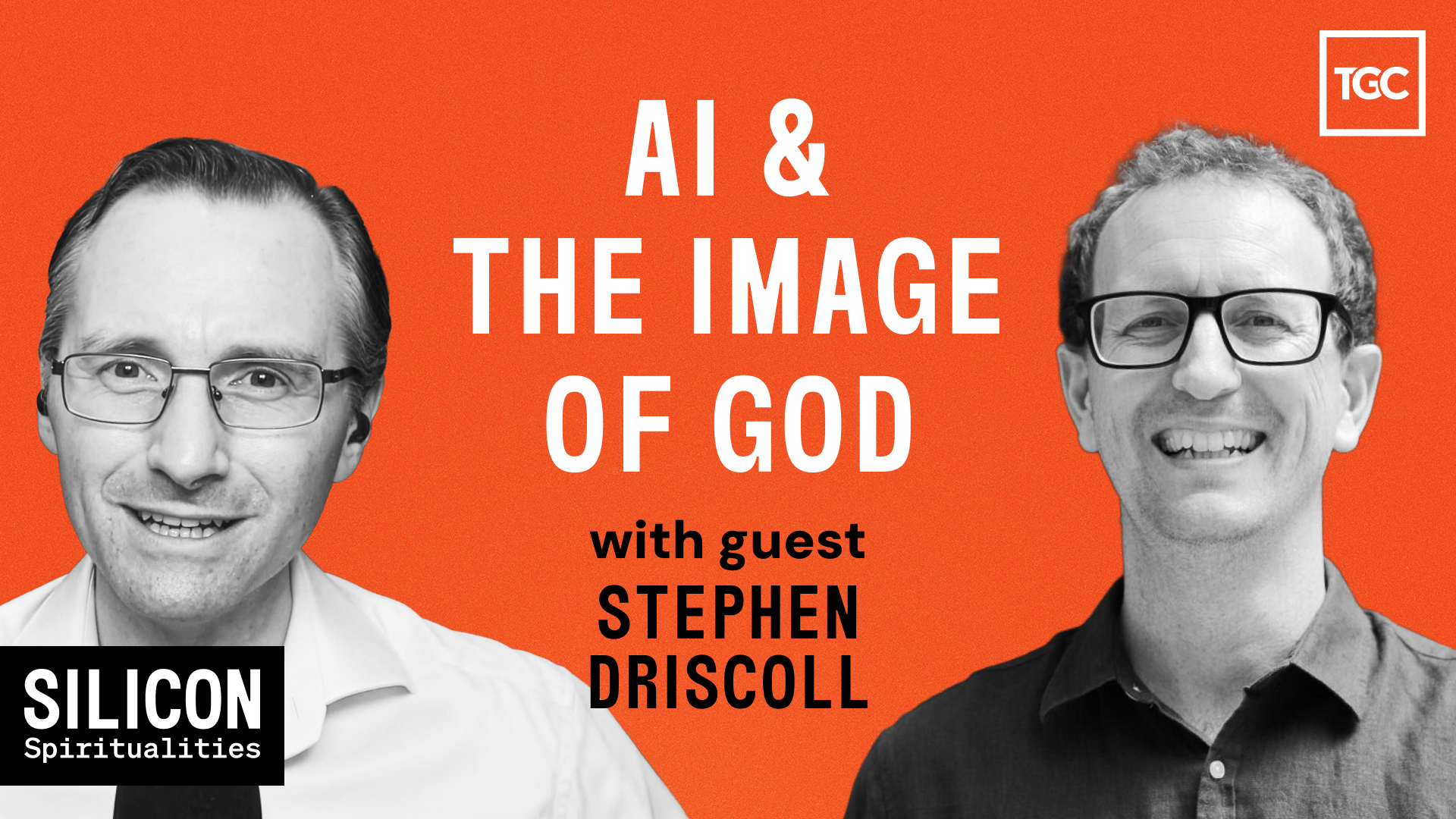
Stephen Driscoll explores how artificial intelligence challenges long-held assumptions about human uniqueness in creativity, thought, and work, and what a biblical view of personhood offers in response.
As artificial intelligence systems demonstrate growing capability in areas once considered distinctly human, reasoning, creative output, and productive work, theologians are asking what, if anything, remains irreducibly particular about human beings. According to The Gospel Coalition, Stephen Driscoll has taken up that question in a recent episode of the Silicon Spiritualities podcast, examining how AI's rise presses on the theological concept of the imago Dei, the conviction that human beings bear the image of God.
Driscoll's conversation, reported by The Gospel Coalition, does not treat AI as a passing curiosity. It frames the technology as a genuine occasion for rethinking what it means to be human, not merely in functional terms, but in terms of identity, vocation, and worth.
Why This Conversation Is Emerging Now
AI tools capable of generating text, images, music, and complex analysis have moved from research environments into everyday professional and creative life within a short span of years. That rapid integration has outpaced public theological reflection, leaving many communities of faith without a framework for what they are encountering. Questions that once belonged to academic philosophy, What is consciousness? What is creativity? What distinguishes a person from a very sophisticated process? — are now pressing on ordinary workers, artists, students, and ministers.
Who Is Affected and What Is at Stake
The stakes extend across several domains. For individuals, the question is partly vocational: if machines can perform tasks previously associated with human skill and judgment, how do people understand the meaning and dignity of their work? For communities of faith, the question runs deeper: does human worth depend on cognitive or creative capacity, or does it rest on something prior to function? For the broader culture, how a society answers that question will shape policy, labor practices, education, and the legal and ethical frameworks governing AI development.
What Remains Disputed and Unknown
The podcast engages a genuine and unresolved theological debate. One position holds that human uniqueness is primarily functional, located in capacities like reason, language, and creativity, which means AI's encroachment on those capacities genuinely threatens or at least complicates the traditional account. A competing position holds that the imago Dei is relational and covenantal rather than functional, grounded not in what humans can do but in who God has called them to be, a framing that would make AI capability, however impressive, categorically irrelevant to human worth.
What remains unknown from this source alone: the specific arguments Driscoll advances, the conclusions he reaches, whether he engages particular AI systems or theologians, and how he addresses the practical implications for Christian communities navigating AI in daily life. The feed summary characterizes the conversation without quoting it, so readers should treat the podcast itself as the primary source.
---
Four-lens scores, each out of 10. Biblical Alignment 5. Prophetic Significance 5. Source Credibility 7. Humanities Impact 5.
Why this assessment
Read the four lenses together, not the total. A high score does not mean a story is true, morally good, prophetically fulfilled, or endorsed by Dot 1 News; a low score does not mean it is false or unimportant. Source Credibility concerns evidence only and is separate from theological alignment.
D1‑4LS assessment · an experimental framework still being tested. How the scoring works
Loading…