
Examining the Claim That Foreign Adversaries Can Access U.S. Voting Machines
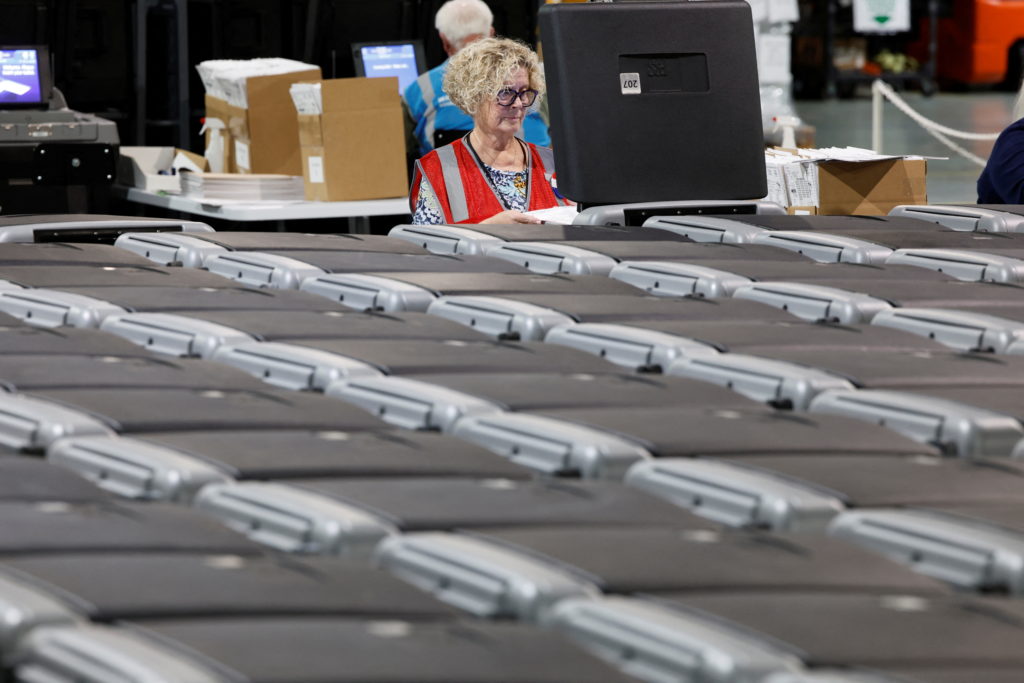
A senator's assertion about foreign access to voting machines reflects longstanding expert concerns, but PBS NewsHour reports no verified evidence of such attempts has emerged.
Senator Markwayne Mullin has made claims that foreign adversaries are capable of accessing voting machines used in U.S. elections. According to PBS NewsHour, Politics, security and election technology experts have voiced similar concerns for years, but as of this reporting, no proof of actual foreign access attempts has been documented.
The outlet reports that Mullin's comments surface against a backdrop of ongoing public debate about election infrastructure security, a conversation that has intensified in the years since 2016 and has not fully settled. That context matters: the concern itself is not without basis in the expert community, even if the specific claim of demonstrated foreign access remains unverified.
Why This Matters Now
Election integrity touches every citizen, regardless of party, because voting is the mechanism through which public will is expressed and governmental authority is granted or withheld. Questions about the security of that infrastructure carry real civic weight, and the moment a claim circulates widely, it shapes public confidence whether or not it is later substantiated.
Who Is Affected and What Is at Stake
Voters, election administrators, and policymakers all have an interest in accurate information here. If vulnerabilities exist and are underreported, that represents a genuine public risk. If unverified claims circulate as established fact, that itself erodes the trust that democratic participation requires. Both failure modes carry costs.
What Remains Disputed or Unknown
Those who share Mullin's concern argue that the theoretical and technical capacity for foreign interference is real, documented in prior government assessments, and worth treating seriously even absent confirmed incidents. Those who emphasize the fact-check's conclusion note that capability is not the same as demonstrated action, and that characterizing unproven scenarios as present threats can mislead the public and undermine confidence in election outcomes without evidentiary cause. What remains unknown is the full scope of current vulnerabilities and what, if any, remediation has occurred since previous assessments.
---
Four-lens scores, each out of 10. Biblical Alignment 5. Prophetic Significance 5. Source Credibility 8. Humanities Impact 5.
Why this assessment
Read the four lenses together, not the total. A high score does not mean a story is true, morally good, prophetically fulfilled, or endorsed by Dot 1 News; a low score does not mean it is false or unimportant. Source Credibility concerns evidence only and is separate from theological alignment.
D1‑4LS assessment · an experimental framework still being tested. How the scoring works
Loading…