
Thousands Evacuated from Cap Ferret Peninsula as Wildfires Continue
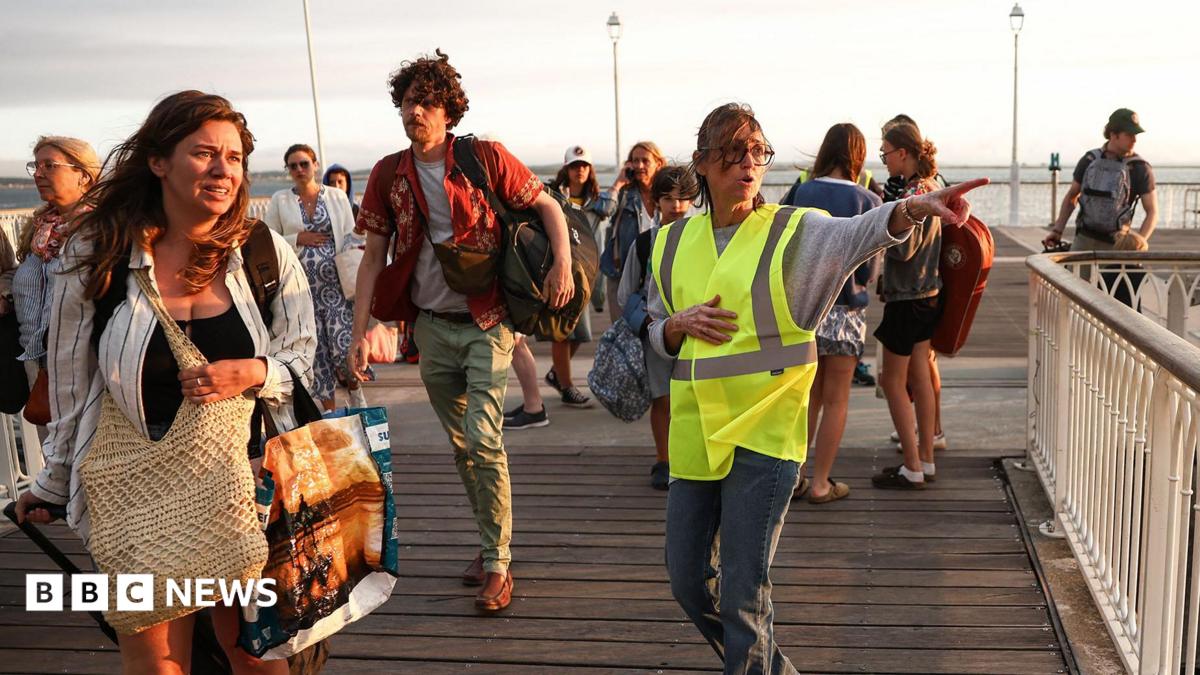
French authorities have ordered the full evacuation of the Cap Ferret peninsula after wildfires burned for several days in the region, displacing tens of thousands of residents and visitors.
French authorities have ordered the evacuation of the entire Cap Ferret peninsula following days of sustained wildfire activity in the area, according to BBC News, World. The order affects tens of thousands of people, including both permanent residents and tourists at one of France's well-known coastal destinations.
The outlet reports that the fires have spread across the region over several days, prompting officials to move from partial measures to a full peninsula-wide evacuation order. The scale of the directive reflects the assessment of emergency services that the situation poses a broad and continuing risk.
Why this matters now
Cap Ferret sits on a narrow spit of land bordering the Arcachon Bay on France's Atlantic coast, a geography that can complicate evacuation logistics and limit the movement of firefighting resources. Summer conditions across southwestern Europe have in recent years included extended dry periods and elevated temperatures that increase fire risk, though the specific contributing factors in this instance have not been detailed in available reporting.
Who is affected and what is at stake
The evacuation displaces a large population during peak summer season, affecting local residents whose homes and livelihoods are directly threatened, as well as visitors. Emergency and firefighting personnel remain in the area working to contain the spread. The longer-term environmental and economic impact on the peninsula and surrounding region is not yet known.
What remains unknown
The BBC's feed summary is brief, and several material details are not yet available in the source reporting: the precise number of structures threatened or destroyed, the cause of the fires, the current containment status, whether injuries or fatalities have been reported, and when residents may be permitted to return. Readers should treat this as an early-stage report pending fuller coverage from officials and on-the-ground journalists.
---
Four-lens scores, each out of 10. Biblical Alignment 5. Prophetic Significance 6. Source Credibility 8. Humanities Impact 5.
Why this assessment
Read the four lenses together, not the total. A high score does not mean a story is true, morally good, prophetically fulfilled, or endorsed by Dot 1 News; a low score does not mean it is false or unimportant. Source Credibility concerns evidence only and is separate from theological alignment.
D1‑4LS assessment · an experimental framework still being tested. How the scoring works
Loading…