
Federal Council Moves to Revise Historic Preservation Review Process
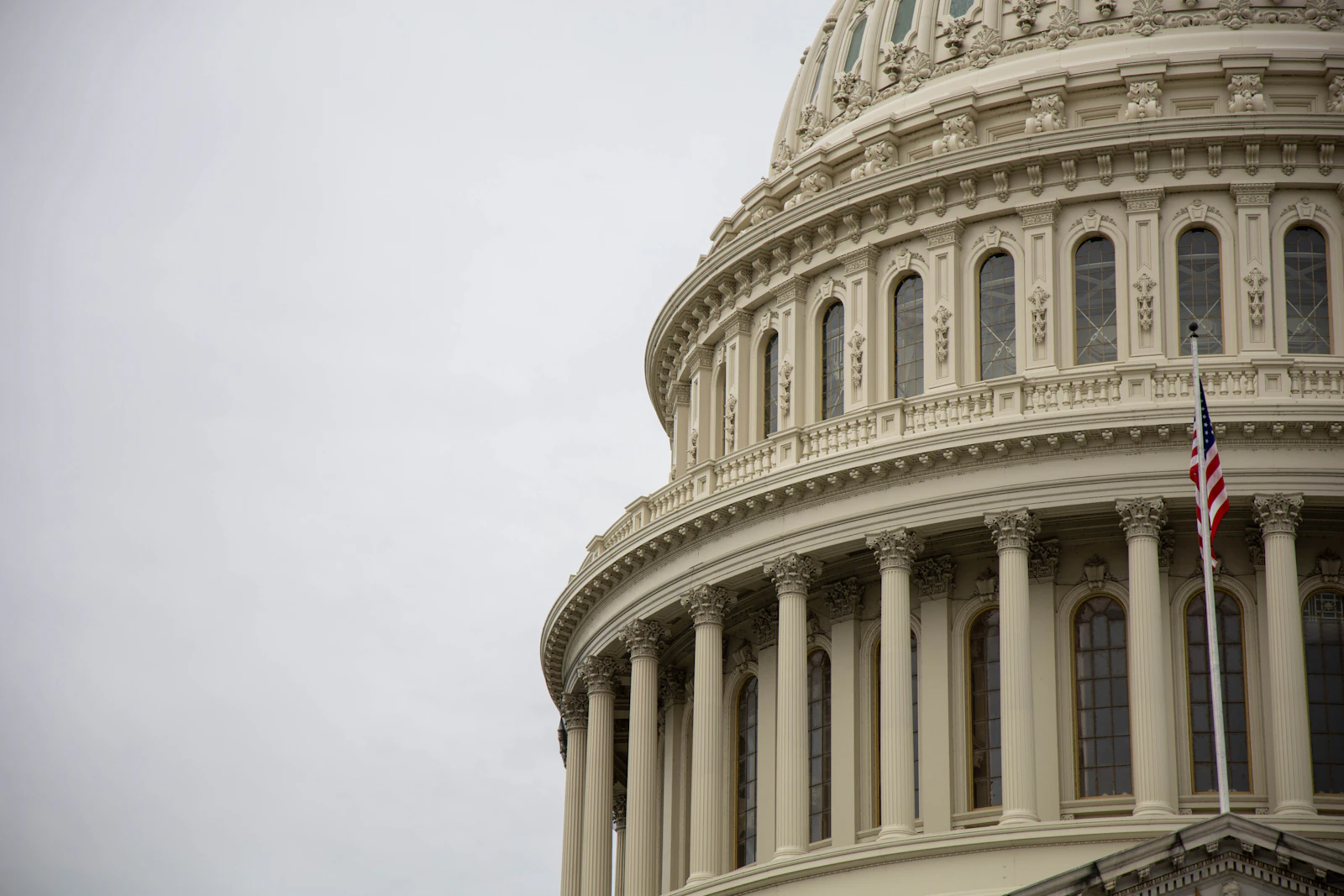
A federal advisory council composed largely of Trump appointees is preparing to rewrite rules governing how historic sites are evaluated before federally funded projects proceed, according to NPR.
A federal advisory body with authority over historic preservation standards is preparing to revise a long-standing review process that currently requires federal agencies to assess the impact of their projects on historically significant sites. According to NPR, Politics, the Advisory Council on Historic Preservation, whose membership now reflects a majority of Trump administration appointees, is poised to rewrite regulations under Section 106 of the National Historic Preservation Act, a framework that has governed such reviews for decades.
The outlet reports that critics have raised concern the changes could accelerate construction of a proposed triumphal arch in Washington, D.C., a project associated with the Trump administration, while also reducing protections for historic sites across the broader country. The timing of the anticipated rule changes, NPR notes, coincides with the administration's stated interest in moving certain infrastructure and commemorative projects forward more quickly.
Why This Matters Now
Section 106 reviews have functioned since 1966 as a procedural check, requiring federal agencies to consult with state preservation offices, tribes, and the public before approving projects that might affect properties listed on or eligible for the National Register of Historic Places. The rules have been used to protect everything from Civil War battlefields and Indigenous sacred sites to urban neighborhoods with documented historical significance. Any rewrite of those regulations would carry implications well beyond Washington.
Who Is Affected
The potential changes touch a wide range of stakeholders: federally recognized tribes who rely on Section 106 consultations to protect ancestral lands, local preservation organizations, state historic preservation offices, and communities whose built heritage intersects with federal funding or permitting. Historians and preservation advocates have argued the review process provides an irreplaceable check on the permanent loss of physical memory. Proponents of reform contend that the existing rules impose significant delays and compliance costs on projects, including housing and infrastructure, that serve pressing public needs.
What Remains Disputed or Unknown
The specific regulatory language the council intends to adopt has not been made public, according to NPR's reporting. It is not yet clear which categories of sites or reviews would be most directly affected, what the formal public comment process will look like, or whether the revisions would face legal challenge. The story does not include a statement from the Advisory Council itself explaining its rationale, and the full scope of any proposed rule remains unverified at this stage.
---
Four-lens scores, each out of 10. Biblical Alignment 5. Prophetic Significance 5. Source Credibility 8. Humanities Impact 5.
Why this assessment
Read the four lenses together, not the total. A high score does not mean a story is true, morally good, prophetically fulfilled, or endorsed by Dot 1 News; a low score does not mean it is false or unimportant. Source Credibility concerns evidence only and is separate from theological alignment.
D1‑4LS assessment · an experimental framework still being tested. How the scoring works
Loading…