
U.S. and Saudi Arabia Reach Nuclear Agreement; Experts Flag Absence of Enrichment Limits
The United States has reached a nuclear deal with Saudi Arabia, according to PBS NewsHour, Politics, though nonproliferation experts warn the agreement lacks provisions restricting uranium enrichment to weapons-grade levels.
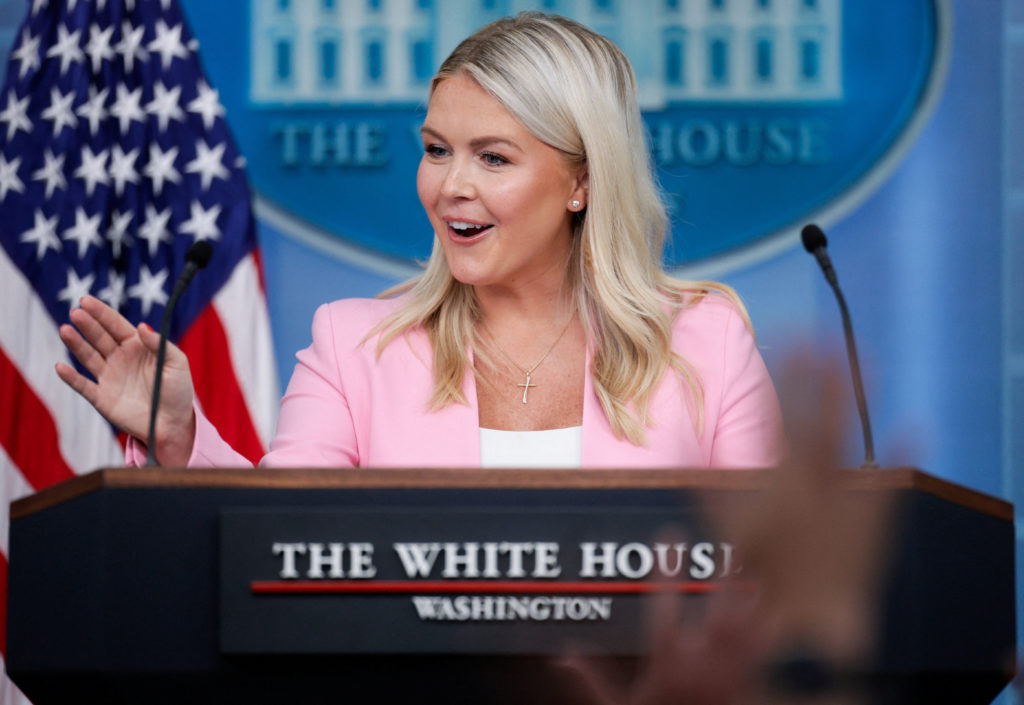
The United States has reached an agreement with Saudi Arabia concerning the kingdom's nuclear program, according to PBS NewsHour, Politics, with the White House holding a briefing to announce the deal. The outlet reports that the agreement marks a significant diplomatic development in U.S.-Saudi relations, though the specific terms disclosed publicly remain limited at this stage.
The timing reflects longstanding Saudi ambitions to develop civilian nuclear energy capacity, set against a broader regional landscape in which Iran's nuclear program and the prospect of further proliferation have made Gulf states' nuclear aspirations a persistent diplomatic concern. Saudi officials have previously stated that the kingdom reserves the right to enrich uranium domestically, a position that has complicated negotiations with the United States for years, as U.S. law and longstanding policy have generally required partner nations to forgo domestic enrichment as a condition of nuclear cooperation agreements, commonly called "123 agreements."
The deal, if implemented, would affect the broader Middle East security environment, U.S. allies in the region, international nonproliferation frameworks, and the populations of countries whose stability is tied to those dynamics. A Saudi civilian nuclear program would represent a substantial economic and energy development for the kingdom, which has stated goals of diversifying its energy sources beyond oil.
Nonproliferation experts have raised concerns, the outlet reports, that the agreement fails to include guardrails preventing the enrichment of uranium to weapons-grade levels. Their stated reasoning is that without such restrictions, the deal could set a precedent weakening the global nonproliferation architecture and potentially accelerating the risk of nuclear weapons development in the region. Proponents of engagement with Saudi Arabia on nuclear matters have argued, on the other side, that structured partnership with the United States offers more influence over the program's development than exclusion would. What the full text of the agreement contains, what verification mechanisms if any are included, and how the deal will be received by Congress, which holds oversight authority over such agreements, remain unknown from the source material available at this time.
---
**
Four-lens scores, each out of 10. Biblical Alignment 5. Prophetic Significance 5. Source Credibility 8. Humanities Impact 5.
Why this assessment
Read the four lenses together, not the total. A high score does not mean a story is true, morally good, prophetically fulfilled, or endorsed by Dot 1 News; a low score does not mean it is false or unimportant. Source Credibility concerns evidence only and is separate from theological alignment.
D1‑4LS assessment · an experimental framework still being tested. How the scoring works
Loading…