
House Oversight Committee Holds Hearing on Smithsonian's Presentation of American History
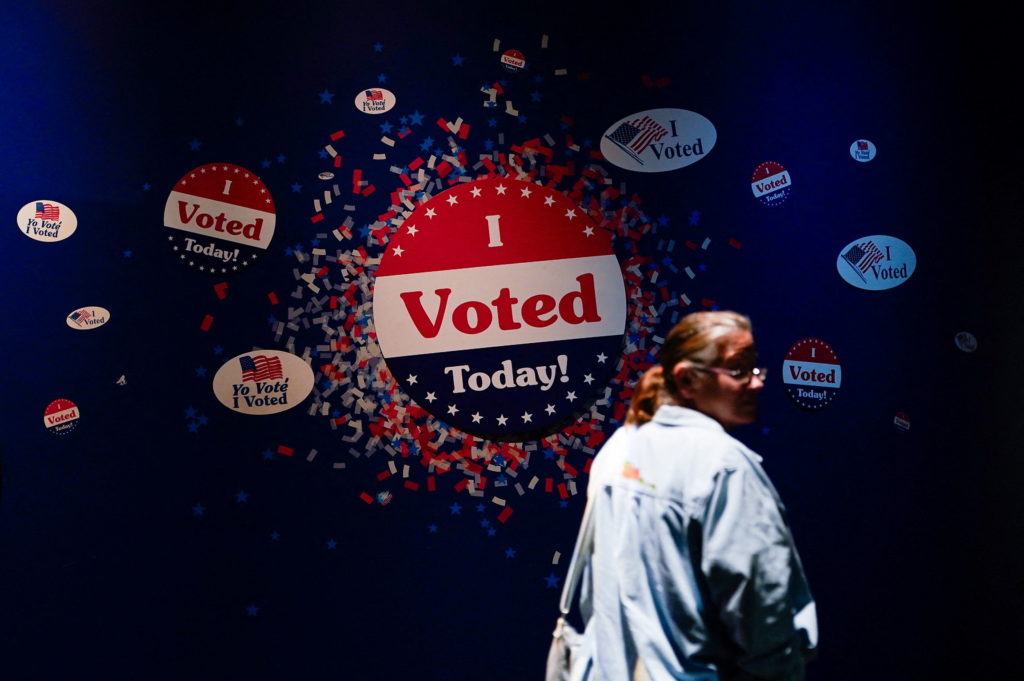
A House Oversight hearing examined how the Smithsonian Institution frames U.S. history, as the Trump administration pursues broader changes to how history is presented in public spaces.
A House Oversight Committee hearing convened to examine how the Smithsonian Institution, the federally funded network of museums and research centers that draws millions of visitors each year, presents American history to the public, according to PBS NewsHour, Politics. The hearing reflects a broader effort by the Trump administration in its second term to influence how history is framed in government-supported cultural institutions.
The Smithsonian occupies a distinctive place in American civic life: it is the world's largest museum and research complex, funded substantially by Congress, and its exhibits shape how generations of Americans and international visitors encounter the national story. The outlet reports that the administration has sought to address what it views as imbalances in how that story is told.
**Why This, Why Now**
The hearing arrives amid a wider policy conversation about the role of federal institutions in shaping cultural and historical narratives. Decisions made about the Smithsonian's programming carry weight beyond any single exhibit, they influence educational curricula, public memory, and the terms by which a diverse citizenry understands its shared past.
**Who Is Affected and What Is at Stake**
The question before the committee touches institutions and communities well beyond Washington: educators who incorporate Smithsonian materials into classrooms, historians and curators employed by the institution, and the visiting public who engage with its exhibitions. Federal funding gives Congress legitimate oversight authority, while the Smithsonian's scholarly mission rests on a degree of independence from political direction.
**What Remains Disputed, Unknown, or Unverified**
Those who support closer congressional scrutiny argue that federally funded institutions should reflect the values and priorities of the public they serve, and that current presentations have at times emphasized division over shared national achievement. Those who caution against political intervention in curatorial decisions argue that historical scholarship requires distance from the pressures of any given administration, and that the integrity of the Smithsonian's mission depends on that independence. Specific proposals, testimony given, and any formal outcomes of the hearing are not detailed in the available source material, and readers should consult primary sources for those particulars.
---
**
Four-lens scores, each out of 10. Biblical Alignment 9. Prophetic Significance 7. Source Credibility 7. Humanities Impact 8.
Why this assessment
Read the four lenses together, not the total. A high score does not mean a story is true, morally good, prophetically fulfilled, or endorsed by Dot 1 News; a low score does not mean it is false or unimportant. Source Credibility concerns evidence only and is separate from theological alignment.
D1‑4LS assessment · an experimental framework still being tested. How the scoring works
Loading…