
U.S. Imposes 50% Tariffs on Canada; Ottawa Signals Readiness for Deeper Trade Negotiations
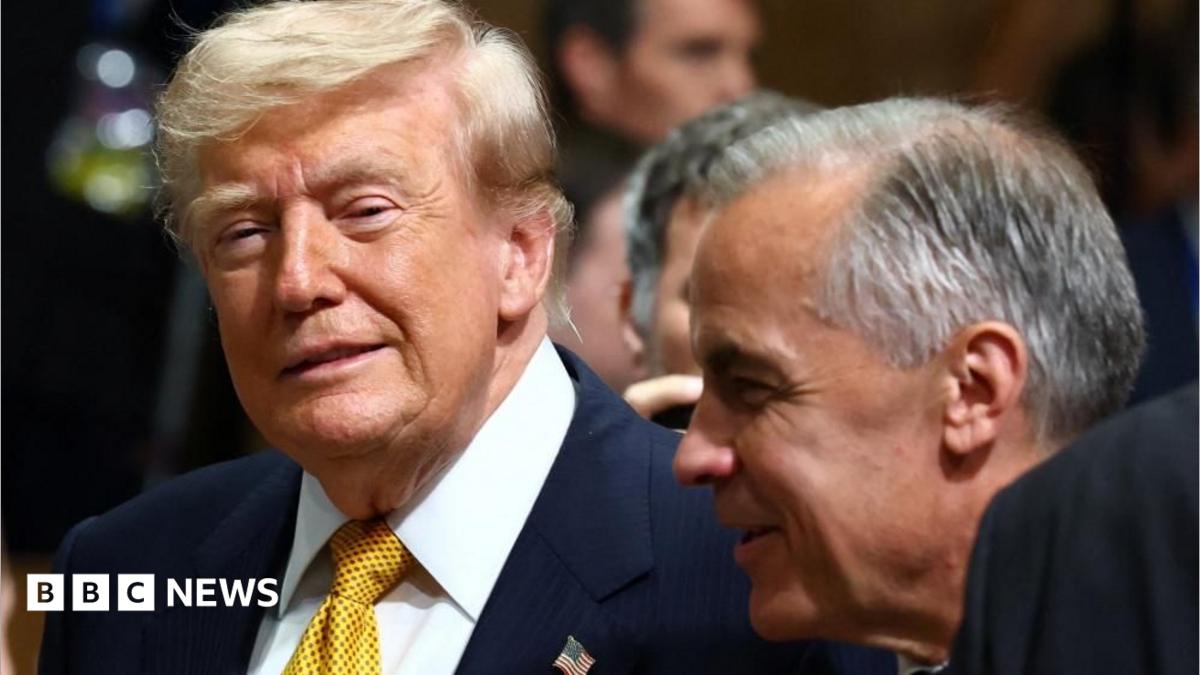
The United States has announced 50% tariffs on Canadian goods, a significant escalation in trade tensions between the two neighbors. Canadian Prime Minister Mark Carney has responded by pledging to intensify diplomatic trade talks.
The United States has announced a 50% tariff on goods imported from Canada, according to BBC News, World, marking a notable increase in trade friction between the two countries. Canadian Prime Minister Mark Carney responded publicly, stating his government would intensify ongoing trade negotiations rather than move immediately toward retaliatory measures.
The BBC outlet reports the development as a major escalation in trade tensions between the North American neighbors, though specific timelines for when the tariffs take effect, and the precise categories of goods affected, were not detailed in the source material available at time of publication.
**Why This, Why Now**
The United States and Canada share one of the world's most integrated trading relationships, with goods and supply chains deeply intertwined across agriculture, energy, manufacturing, and automotive sectors. Tariff actions at this scale between the two countries are unusual and carry consequences that extend well beyond government ledgers, they move through factory floors, farms, and household budgets on both sides of the border.
**Who Is Affected and What Is at Stake**
Workers and industries in both countries whose livelihoods depend on cross-border trade face immediate uncertainty. Canadian exporters would confront significantly higher costs for accessing U.S. markets, while U.S. businesses and consumers who rely on Canadian inputs or finished goods may encounter price increases or supply disruptions. The broader North American trade architecture, shaped by longstanding agreements between the two nations, is under renewed pressure.
**What Remains Disputed, Unknown, or Unverified**
The stated rationale from the U.S. administration for imposing tariffs at this level has not been specified in the source material, nor has Canada's full range of potential responses beyond the commitment to intensify talks. The specific goods categories targeted, the effective date of the tariffs, and whether any exemptions exist are not confirmed in the information available. Proponents of the tariff action may argue it serves legitimate economic or national-interest goals; Canadian officials appear to be prioritizing negotiation, which suggests they believe a diplomatic resolution remains possible. How long talks will last, and whether they will succeed, is unknown.
---
**
Four-lens scores, each out of 10. Biblical Alignment 5. Prophetic Significance 5. Source Credibility 8. Humanities Impact 5.
Why this assessment
Read the four lenses together, not the total. A high score does not mean a story is true, morally good, prophetically fulfilled, or endorsed by Dot 1 News; a low score does not mean it is false or unimportant. Source Credibility concerns evidence only and is separate from theological alignment.
D1‑4LS assessment · an experimental framework still being tested. How the scoring works
Loading…