
Space Force Moves Toward $30 Billion in Rocket Launch Contracts
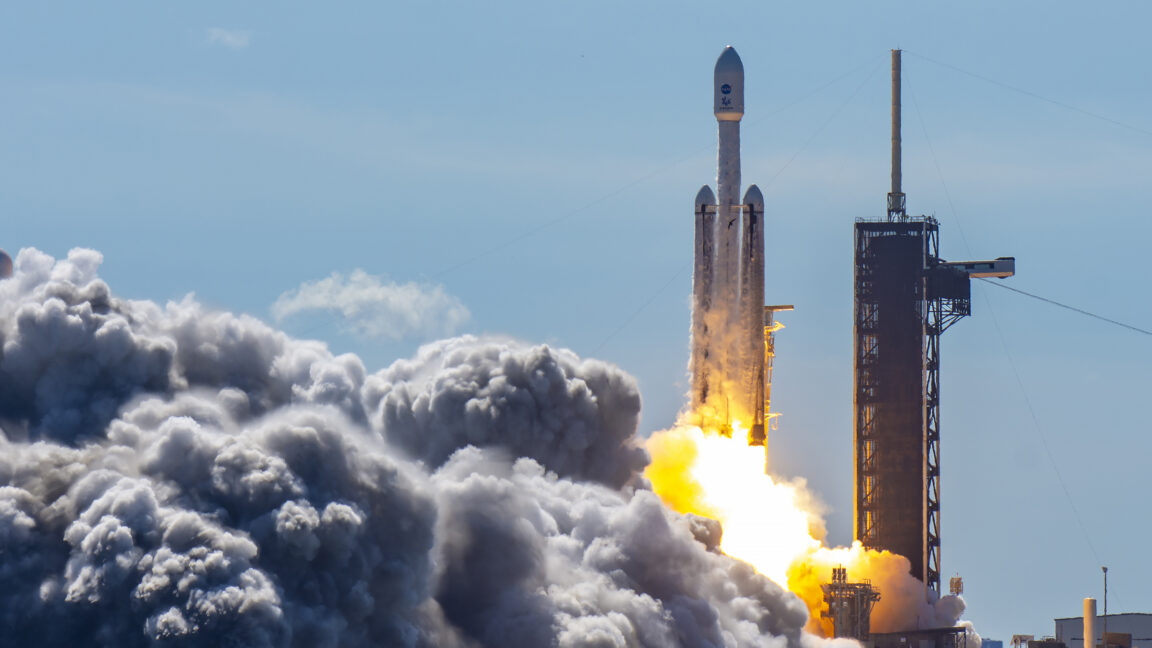
The U.S. Space Force is seeking to procure up to $30 billion in rocket launches, reflecting an expanded mission scope under the current administration, according to Ars Technica.
The U.S. Space Force is moving to contract up to $30 billion in rocket launch services, according to Ars Technica, which reported the development on July 20, 2026. The procurement reflects a significant expansion of the branch's launch activity, driven by new mission demands placed on the service by the Trump administration.
The outlet reports that the administration has assigned the Space Force a broader operational workload, which in turn requires a substantially higher number of launches than the branch has historically conducted. The $30 billion figure represents a ceiling on what the Space Force is authorized to seek, not a confirmed expenditure.
**Why This, Why Now**
The Space Force, established in 2019, has steadily grown in both budget and strategic priority. The current procurement signal suggests that the administration views space-based capabilities, whether for communications, surveillance, or other national security functions, as a near-term operational necessity rather than a longer-horizon investment. The scale of the figure places this among the larger defense procurement actions in the branch's short history.
**Who Is Affected and What Is at Stake**
The primary commercial beneficiaries would be launch providers operating in the U.S. market, a field that now includes both long-established aerospace contractors and newer private launch companies. For taxpayers, a procurement of this scale warrants attention as a significant allocation of public resources. For the broader space industry, large government contracts of this kind shape which companies can sustain operations and which technologies receive investment.
More broadly, the expansion of military space activity raises questions that extend beyond any single contract: about the long-term governance of orbital infrastructure, the role of private industry in national defense, and how nations negotiate the use of space as a contested domain.
**What Remains Unknown**
Ars Technica's feed summary is brief, and several material details are not yet available from this source: the specific missions driving the launch demand, which contractors are expected to compete, the timeline for awards, and what congressional oversight or authorization the procurement requires. Whether the full $30 billion ceiling will be reached, or how the contracts will be structured, has not been reported. Readers should treat this as an early-stage disclosure rather than a finalized program.
---
**
Four-lens scores, each out of 10. Biblical Alignment 6. Prophetic Significance 6. Source Credibility 7. Humanities Impact 5.
Why this assessment
Read the four lenses together, not the total. A high score does not mean a story is true, morally good, prophetically fulfilled, or endorsed by Dot 1 News; a low score does not mean it is false or unimportant. Source Credibility concerns evidence only and is separate from theological alignment.
D1‑4LS assessment · an experimental framework still being tested. How the scoring works
Loading…