
NASA Tests Experimental Wing Design to Understand Its Structural Boundaries
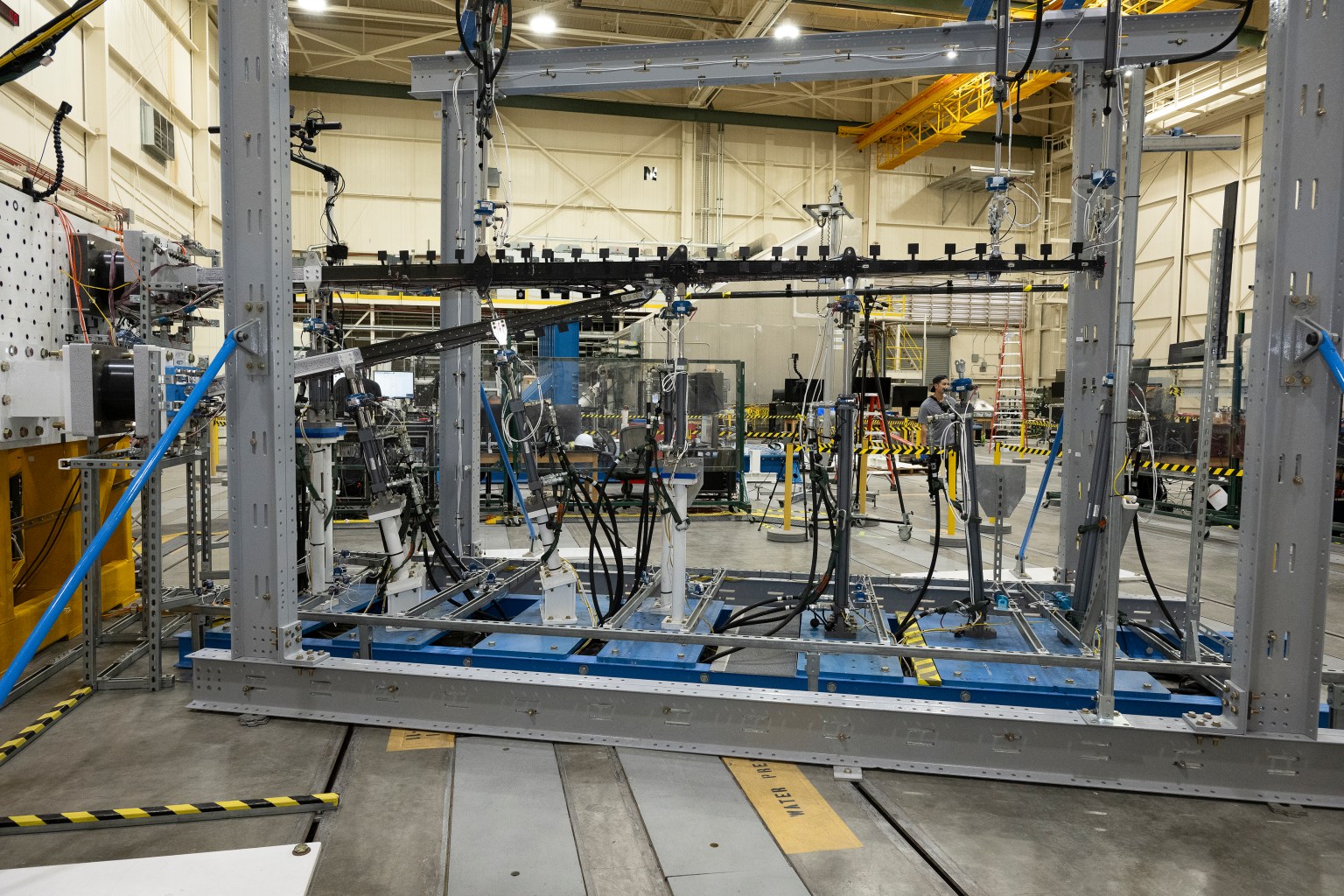
Researchers at NASA have completed structural tests on a slender, truss-braced wing prototype, finding results that encouraged further development even when the design was pushed beyond its intended operating limits.
NASA researchers have completed a series of structural tests on an experimental wing concept designed to be notably long, thin, and lightweight, according to NASA, Breaking News. The test article, called the Structural Wing Experiment Evaluating Truss-bracing, or SWEET-15, measuring 15 feet, was subjected to conditions intended to find where the design would begin to fail.
The outlet reports that engineers came away encouraged by what they observed, noting the wing performed well even when stressed past its intended operational limits. The truss-braced configuration is a departure from conventional wing shapes and is designed to reduce aerodynamic drag, a characteristic researchers are evaluating for potential efficiency gains in future aircraft.
**Why this, why now**
Fuel efficiency in aviation carries meaningful environmental and economic weight. Truss-braced wing designs have drawn sustained research interest because their geometry can, in principle, allow for greater lift-to-drag ratios than traditional swept wings, a potential benefit for both commercial aviation and lower-emission flight. The SWEET-15 is a subscale prototype, meaning these tests represent an early evaluative stage rather than a near-term production development.
**Who is affected and what is at stake**
The findings are primarily relevant to aerospace engineers, aircraft manufacturers, and policymakers tracking aviation's contribution to emissions. If truss-braced designs advance through further testing, the implications could extend to airline operators and, eventually, travelers. The research is conducted at NASA's Armstrong Flight Research Center, which specializes in experimental aeronautics.
**What remains unknown**
The source item does not specify what failure modes, if any, were observed, nor does it detail the precise load conditions applied during testing. The timeline for moving from a 15-foot subscale experiment to any full-scale application is not stated. Whether these results will accelerate, modify, or simply inform future design iterations remains an open question. Independent peer review or broader publication of the test data is not referenced in the available material.
---
**
Four-lens scores, each out of 10. Biblical Alignment 5. Prophetic Significance 5. Source Credibility 8. Humanities Impact 5.
Why this assessment
Read the four lenses together, not the total. A high score does not mean a story is true, morally good, prophetically fulfilled, or endorsed by Dot 1 News; a low score does not mean it is false or unimportant. Source Credibility concerns evidence only and is separate from theological alignment.
D1‑4LS assessment · an experimental framework still being tested. How the scoring works
Loading…