
FireSat Satellites Launch to Detect Wildfires Earlier, as Smoke Spreads Across North America
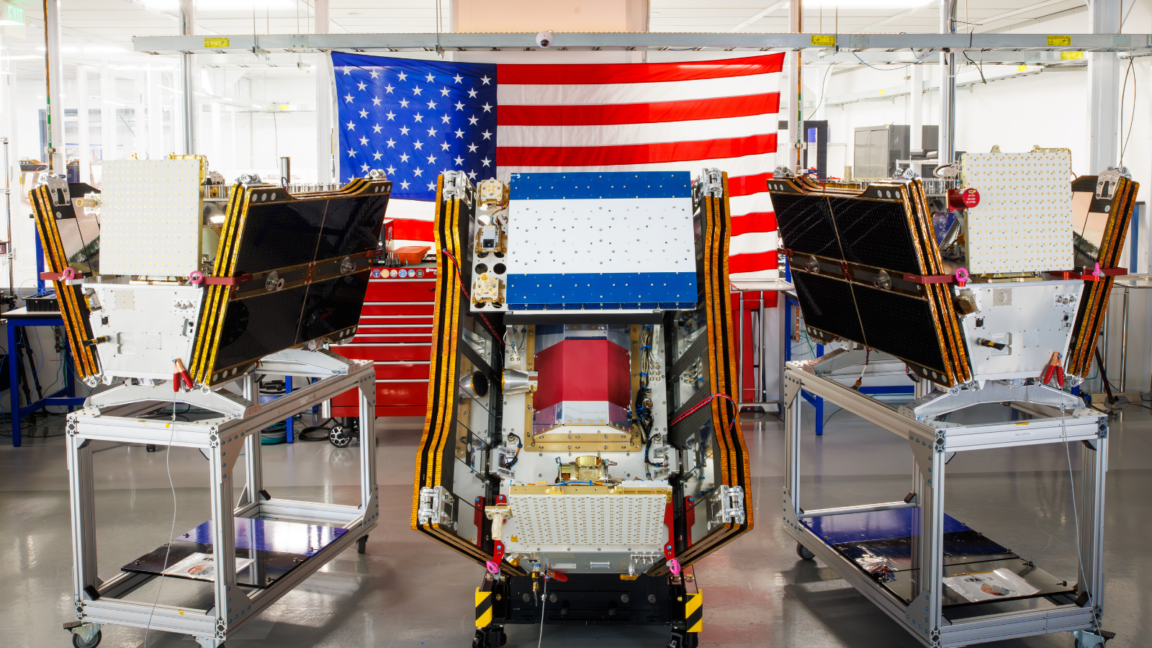
A Google-backed satellite program called FireSat has launched with the goal of detecting wildfires that existing satellites miss, according to Ars Technica, arriving as smoke from active fires affects communities across the US and Canada.
A new constellation of satellites designed to identify wildfires earlier than current systems is now in orbit, according to Ars Technica. The program, called FireSat and supported in part by Google, is built to detect fires that other satellites miss, potentially shortening the window between ignition and response.
The outlet reports the launch comes as smoke from wildfires is affecting broad areas of the United States and Canada, giving the program's debut an immediate backdrop of the problem it was designed to address.
**Why This, Why Now**
Wildfire detection has become a documented challenge as fire seasons grow longer and more geographically widespread in North America. Earlier detection is generally understood to allow faster containment efforts, which in turn can reduce the scale of destruction to land, structures, and air quality. FireSat represents a privately backed attempt to address a gap that public satellite infrastructure has not fully closed.
**Who Is Affected and What Is at Stake**
Communities in fire-prone regions, particularly in the western United States and parts of Canada, stand to benefit most directly if the system performs as described. Faster detection could affect evacuation timing, resource deployment, and ultimately lives and property. The broader public health dimension of wildfire smoke, which affects people far from the fires themselves, adds to the potential scale of impact.
**What Remains Unknown**
The Ars Technica report does not specify how many satellites have launched, what detection thresholds the system achieves compared to existing infrastructure, or when FireSat is expected to reach full operational capability. Independent verification of the program's performance claims has not been cited in the available source material. The long-term governance, data-sharing arrangements, and public accessibility of FireSat's detection data are also not addressed in the feed summary.
---
**
Four-lens scores, each out of 10. Biblical Alignment 10. Prophetic Significance 6. Source Credibility 7. Humanities Impact 8.
Why this assessment
Read the four lenses together, not the total. A high score does not mean a story is true, morally good, prophetically fulfilled, or endorsed by Dot 1 News; a low score does not mean it is false or unimportant. Source Credibility concerns evidence only and is separate from theological alignment.
D1‑4LS assessment · an experimental framework still being tested. How the scoring works
Loading…