
Filmmaker Ava DuVernay Announces Documentary on the 14th Amendment Amid Ongoing Birthright Citizenship Debate
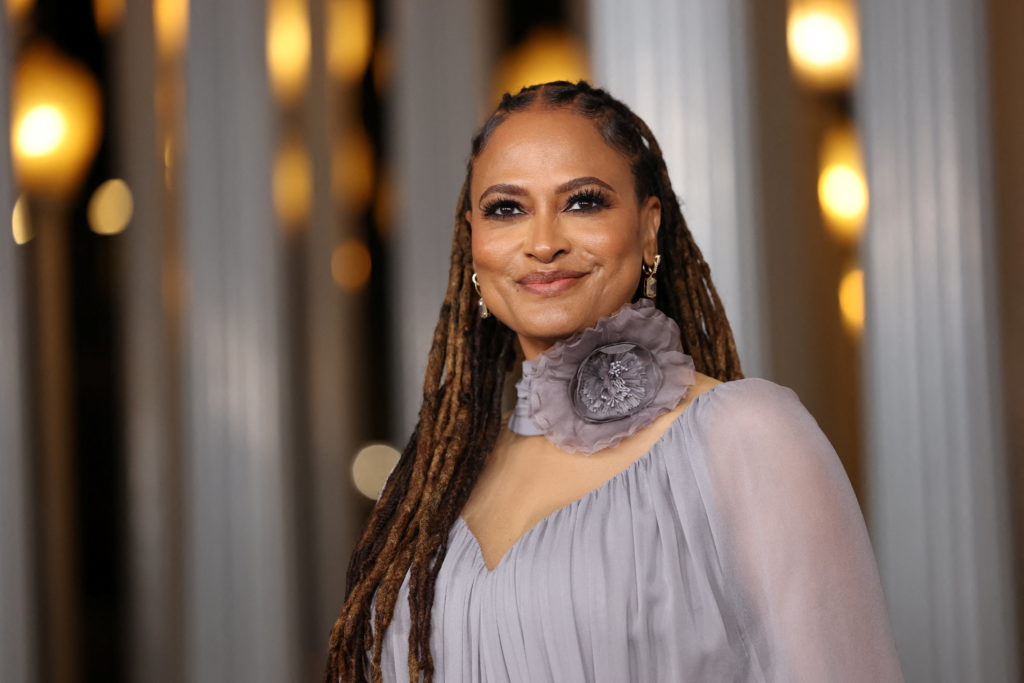
Ava DuVernay will direct '14th,' a documentary examining the 14th Amendment's birthright citizenship clause, following the legal and political debate over its scope.
Filmmaker Ava DuVernay has announced a new documentary titled *14th*, which will examine the 14th Amendment to the U.S. Constitution, according to PBS NewsHour, Politics. The film returns DuVernay to nonfiction after several narrative features and follows her 2016 documentary *13th*, which explored the legacy of the 13th Amendment and its abolition of slavery.
The outlet reports the film arrives amid active legal and political contestation over the 14th Amendment's birthright citizenship provision, the clause that grants citizenship to persons born on U.S. soil. The announcement places the project directly in conversation with a live national debate rather than a settled historical one.
**Why Now**
The 14th Amendment, ratified in 1868 in the aftermath of the Civil War, has historically guaranteed citizenship to virtually all persons born in the United States. Its scope has become a renewed point of legal and executive dispute, with the current administration having taken steps to contest automatic birthright citizenship for children of undocumented immigrants. That question is now working through federal courts, making the amendment's meaning a matter of active adjudication rather than settled law.
**Who Is Affected and What Is at Stake**
The documentary's subject touches millions of people, both those whose citizenship status may be affected by any reinterpretation of the clause and the broader public's understanding of a foundational constitutional provision. Documentaries of this kind can shape how general audiences understand legal and historical material that might otherwise remain inaccessible.
**What Remains Disputed, Unknown, or Unverified**
The source item does not provide a release date, a distributor, or details about the film's scope, subjects interviewed, or editorial approach. On the underlying constitutional question, those who support limiting birthright citizenship argue the 14th Amendment's phrase "subject to the jurisdiction thereof" was never intended to extend automatic citizenship to children of those in the country without legal status. Those who oppose such limits argue the amendment's plain text and its ratification history establish a broad, near-universal guarantee that cannot be narrowed by executive or legislative action alone. Both positions reflect genuine legal reasoning; the courts have not issued a final, definitive ruling on the current executive actions at the time of this report.
---
**
Four-lens scores, each out of 10. Biblical Alignment 5. Prophetic Significance 5. Source Credibility 8. Humanities Impact 5.
Why this assessment
Read the four lenses together, not the total. A high score does not mean a story is true, morally good, prophetically fulfilled, or endorsed by Dot 1 News; a low score does not mean it is false or unimportant. Source Credibility concerns evidence only and is separate from theological alignment.
D1‑4LS assessment · an experimental framework still being tested. How the scoring works
Loading…