
UK Covid Inquiry Finds Significant Failures in Government PPE Planning and Procurement
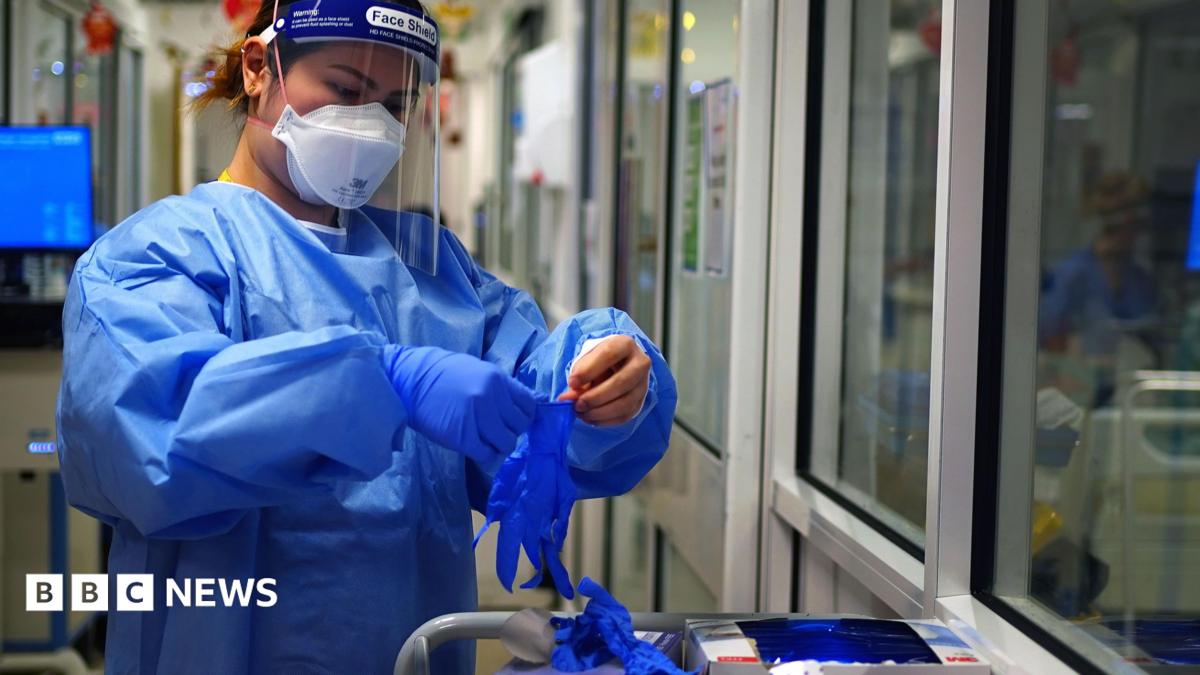
A UK Covid inquiry report has identified how poor planning and purchasing decisions for protective equipment such as gloves and gowns resulted in substantial costs to taxpayers, according to BBC News, Health.
A report from the UK Covid inquiry has outlined key findings on what went wrong with the government's planning and procurement of personal protective equipment (PPE) during the pandemic, according to BBC News, Health. The report examines how decisions around vital items such as gloves and gowns resulted in significant costs to taxpayers running into billions of pounds.
The outlet reports that the inquiry's findings center on failures in both pre-pandemic preparedness and the emergency buying processes that followed when demand for PPE surged. The report was published on 14 July 2026.
**Why This Matters Now**
The inquiry represents an ongoing effort by the UK government and public institutions to formally account for decisions made under acute pressure during one of the most disruptive public health emergencies in modern memory. Reports of this kind carry weight not merely as historical record but as a basis for policy reform, identifying what systemic changes, if any, should govern how governments stockpile and procure critical medical supplies ahead of future crises.
**Who Is Affected and What Is at Stake**
The findings affect UK taxpayers who bore the financial cost of procurement decisions, as well as healthcare workers who depended on adequate protective equipment during periods of high transmission. More broadly, the report speaks to questions of public trust in institutional decision-making during emergencies, a trust that, once spent, is difficult to rebuild. Policymakers, health administrators, and citizens in many countries continue to grapple with similar questions about crisis readiness.
**What Remains Disputed, Unknown, or Unverified**
The BBC News, Health feed summary does not detail the inquiry's specific recommendations, nor does it indicate whether any individuals or organizations have been identified as bearing particular responsibility for the failures described. It is not known from this source item what response, if any, the government has offered to the findings, or whether further hearings or reports are anticipated. The full scope of the inquiry's conclusions and any proposed remedies remain outside what can be verified from the available material.
---
**
Four-lens scores, each out of 10. Biblical Alignment 5. Prophetic Significance 5. Source Credibility 8. Humanities Impact 5.
Why this assessment
Read the four lenses together, not the total. A high score does not mean a story is true, morally good, prophetically fulfilled, or endorsed by Dot 1 News; a low score does not mean it is false or unimportant. Source Credibility concerns evidence only and is separate from theological alignment.
D1‑4LS assessment · an experimental framework still being tested. How the scoring works
Loading…