
Federal Reserve Chair Kevin Warsh Appears Before Congress to Report on Monetary Policy
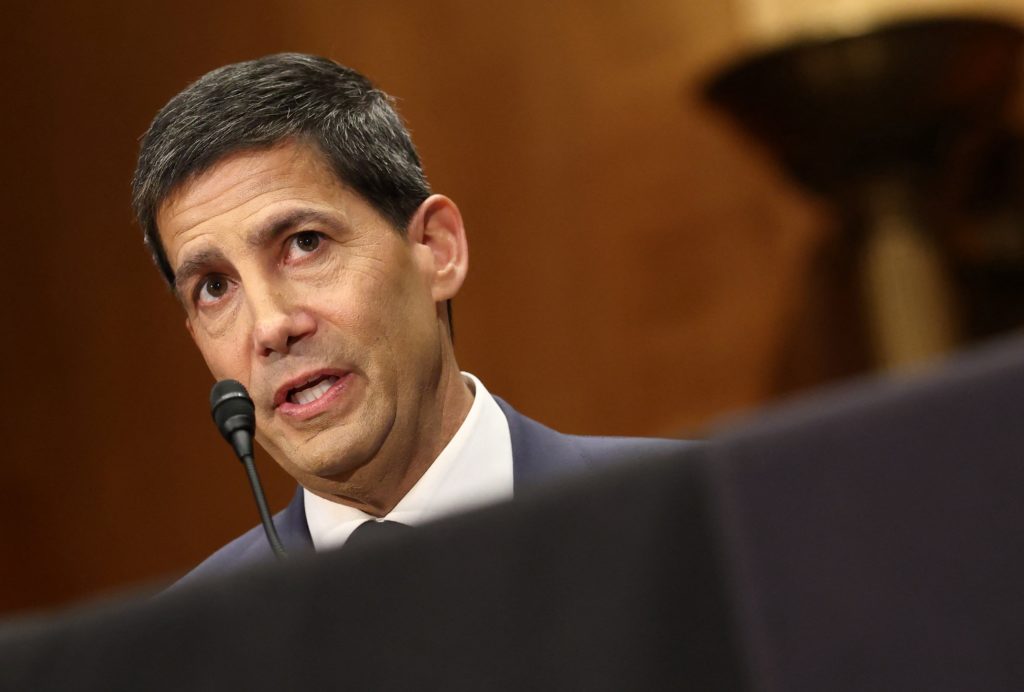
New Fed Chair Kevin Warsh testified Tuesday before the House Financial Services Committee on the agency's semi-annual monetary policy report, according to PBS NewsHour, Politics.
Federal Reserve Chair Kevin Warsh appeared Tuesday before the House Financial Services Committee to deliver the central bank's semi-annual monetary policy report, according to PBS NewsHour, Politics. The hearing is a routine but substantive exercise in congressional oversight of the nation's independent monetary authority.
The semi-annual testimony is a standing requirement under the Humphrey-Hawkins provisions of the Full Employment and Balanced Growth Act, giving elected representatives a structured opportunity to question Fed leadership on interest rate decisions, inflation trends, employment conditions, and the bank's broader economic outlook. Warsh, who was nominated by President Trump and confirmed as chair, has drawn attention for views that have at times diverged from the Fed's recent policy consensus.
**Why This Matters Now**
The testimony arrives at a moment when interest rate policy carries direct consequences for ordinary households: mortgage rates, the cost of carrying debt, and the availability of credit are all shaped by Fed decisions. Congressional hearings of this kind also serve as a check on an institution that wields significant economic power while operating at deliberate remove from electoral politics, a design feature that carries its own ongoing democratic debate.
**Who Is Affected and What Is at Stake**
The Fed's monetary decisions touch virtually every American who borrows money, holds savings, seeks employment, or runs a small business. Internationally, the dollar's reserve-currency status means Fed policy ripples into global markets and affects economies far beyond U.S. borders. Lawmakers on both sides of the aisle use these hearings to signal constituent priorities, from inflation relief to employment growth, and to assess whether the chair's posture aligns with their constituencies' needs.
**What Remains Unknown or Unverified**
The PBS NewsHour source item is a live-event notice and does not contain the substance of Warsh's testimony, specific exchange highlights, or committee members' lines of questioning. What Warsh said, how lawmakers responded, whether any new policy signals emerged, and how markets reacted to the hearing are not available from this source alone. Readers seeking detailed testimony content should consult the official congressional record or fuller post-hearing reporting.
---
**
Four-lens scores, each out of 10. Biblical Alignment 5. Prophetic Significance 5. Source Credibility 8. Humanities Impact 5.
Why this assessment
Read the four lenses together, not the total. A high score does not mean a story is true, morally good, prophetically fulfilled, or endorsed by Dot 1 News; a low score does not mean it is false or unimportant. Source Credibility concerns evidence only and is separate from theological alignment.
D1‑4LS assessment · an experimental framework still being tested. How the scoring works
Loading…