
Lindsey Graham Remembered as a Bridge Between Competing Visions of American Foreign Policy
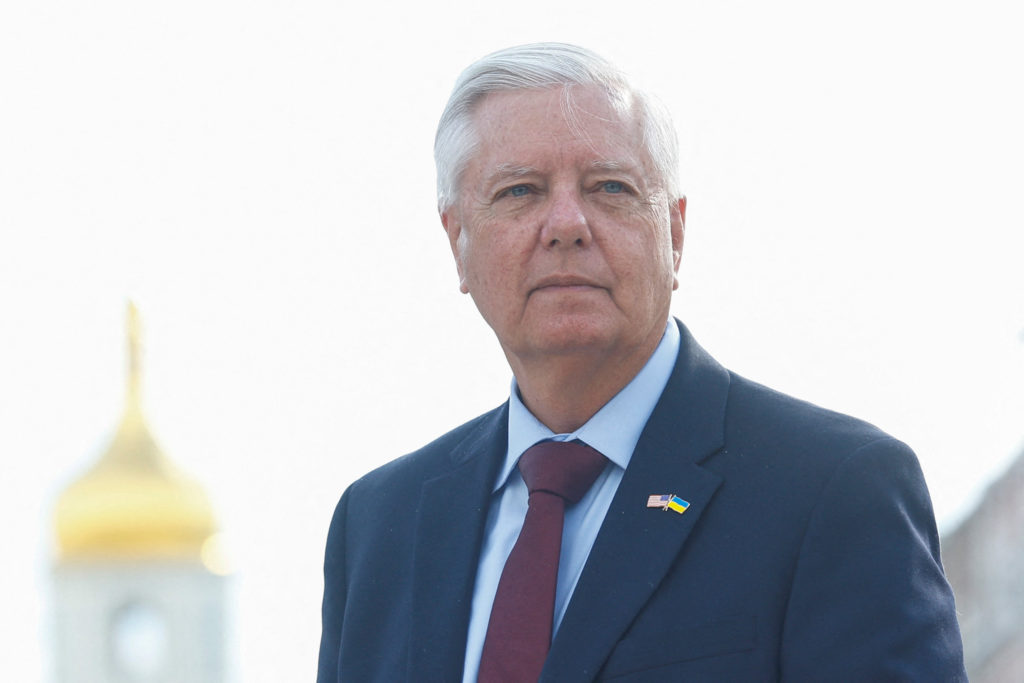
Senator Lindsey Graham is being remembered as a rare figure who held together two diverging foreign-policy traditions, the 'America First' approach and the alliance-centered consensus, both of which are now in flux.
Senator Lindsey Graham occupied an unusual position in recent American political life: a figure who moved between President Donald Trump's 'America First' foreign policy and the longer-standing Washington consensus that centered alliances with Europe and Israel, according to PBS NewsHour, Politics. As tributes and assessments emerge, the outlet reports that Graham is being remembered not simply as a senator but as a kind of hinge point between two visions of how the United States should engage the world.
The timing of this remembrance matters. Both of those foreign-policy traditions are described as losing ground, the alliance-centered consensus has eroded within establishment circles, while the 'America First' framework itself has evolved under shifting political pressures. Graham's ability to hold a foot in each world is being noted precisely because that ground appears to be narrowing.
The implications extend beyond one senator's legacy. American foreign policy shapes security commitments, humanitarian aid, trade relationships, and the relative stability of nations in Europe and the Middle East. Those affected include not only governments and military alliances but civilian populations whose welfare is tied to those decisions. The direction American policy takes as these two visions compete will carry consequences for allies, adversaries, and vulnerable populations across multiple continents.
What remains less clear is which direction, or which synthesis, may emerge to fill the space Graham occupied. The source does not detail the specific policy debates currently underway, name potential successors to his bridging role, or quantify the degree of shift in either party's foreign-policy posture. Whether Graham's approach represented a sustainable middle ground or a position made possible only by a particular political moment is itself a question observers are likely to weigh differently.
---
**
Four-lens scores, each out of 10. Biblical Alignment 5. Prophetic Significance 7. Source Credibility 7. Humanities Impact 7.
Why this assessment
Read the four lenses together, not the total. A high score does not mean a story is true, morally good, prophetically fulfilled, or endorsed by Dot 1 News; a low score does not mean it is false or unimportant. Source Credibility concerns evidence only and is separate from theological alignment.
D1‑4LS assessment · an experimental framework still being tested. How the scoring works
Loading…