
New World Screwworm Advancing North, Experts Say Containment Will Take Years
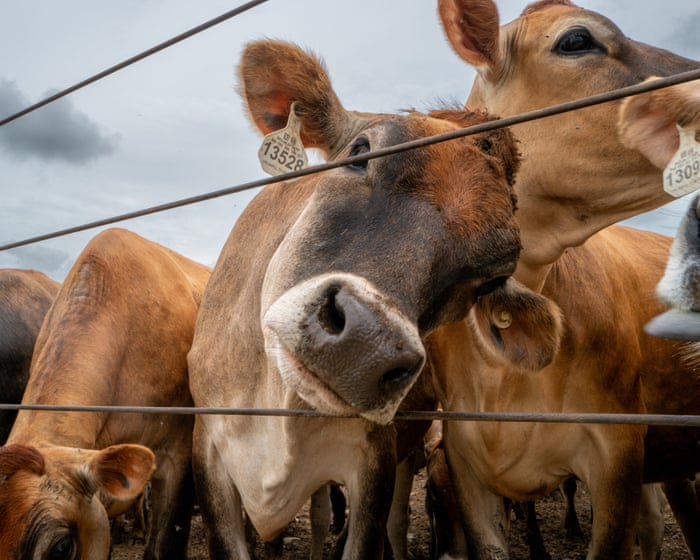
Scientists warn that the New World screwworm fly is spreading into the U.S. faster than eradication efforts can respond, with wildlife now showing signs of infestation in remote Central American forests.
Scientists and conservationists are raising concerns that current efforts to contain the New World screwworm, a parasitic fly whose larvae feed on the living tissue of warm-blooded animals, may be insufficient to prevent its wider spread into the United States, according to The Guardian, Environment. The warning comes after camera traps set up in remote Central American forests to monitor illegal cattle movement captured an unexpected development: wildlife in those regions showing rapid signs of screwworm infestation.
The outlet reports that experts believe pushing the fly back south, the standard method of biological containment, will likely take years, longer than current eradication timelines anticipated.
**Why This, Why Now**
The New World screwworm was eradicated from the United States decades ago through a sustained sterile insect technique program, in which sterile male flies are released to prevent reproduction. That program remains the primary tool in use today. The concern now is that wildlife populations, which move through terrain far less accessible than managed cattle ranges, present a new and harder-to-monitor vector. Conservationists originally deployed cameras in these forest regions to document illegal cattle movement linked to deforestation, making the screwworm discovery an incidental but significant finding.
**Who Is Affected and What Is at Stake**
The most immediate economic concern centers on the U.S. cattle industry, which depends on screwworm-free status for both animal welfare and international trade. A sustained infestation could affect livestock producers across the southern United States. Beyond agriculture, the spread to wildlife populations raises concerns for conservation efforts, particularly for already vulnerable species that would have no veterinary intervention available to them in the wild. The discovery in remote forests suggests the fly's reach may be extending through corridors that existing containment programs were not designed to address.
**What Remains Disputed, Unknown, or Unverified**
The Guardian's report draws on expert concern and field observation, but the source item does not specify which wildlife species were affected, how many animals were documented, or the precise geographic range of confirmed cases. The degree to which wildlife transmission poses a materially different challenge than livestock transmission, and whether existing sterile insect release programs can be adapted to address it — remains an open question among scientists. No timeline for containment was offered, only the assessment that it will probably take years.
---
**
Four-lens scores, each out of 10. Biblical Alignment 5. Prophetic Significance 5. Source Credibility 8. Humanities Impact 5.
Why this assessment
Read the four lenses together, not the total. A high score does not mean a story is true, morally good, prophetically fulfilled, or endorsed by Dot 1 News; a low score does not mean it is false or unimportant. Source Credibility concerns evidence only and is separate from theological alignment.
D1‑4LS assessment · an experimental framework still being tested. How the scoring works
Loading…