
Where Faith Meets the Field: Religion's Role at the 2026 World Cup
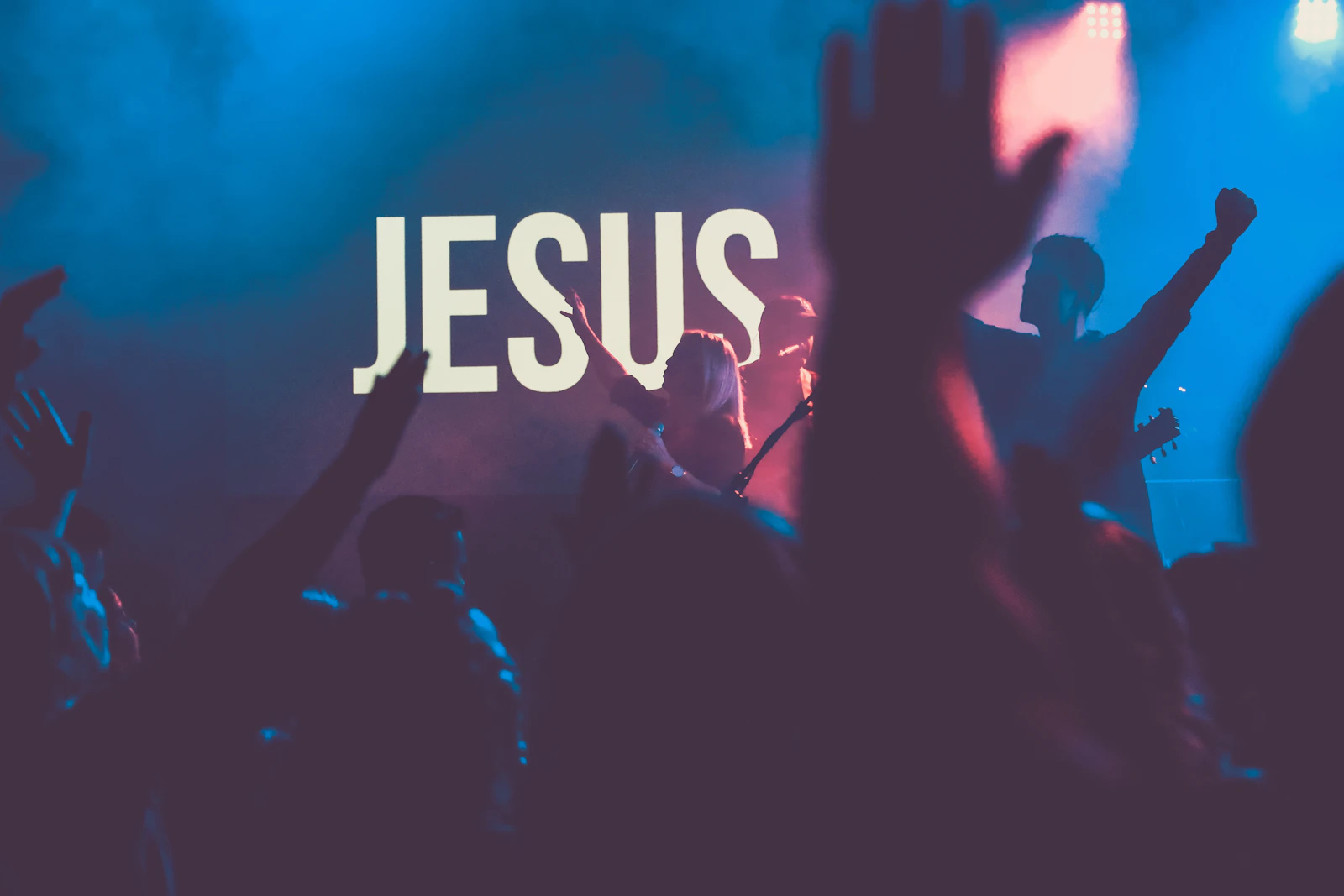
As the 2026 FIFA World Cup unfolds, journalists are examining how religious belief, practice, and politics intersect at one of the world's largest sporting gatherings.
The 2026 FIFA World Cup has drawn attention not only to the sport on the pitch but to the religious dimensions surrounding it, according to Religion News Service. Journalists Jack Jenkins and Mehditha Anis report on how faith — across multiple traditions — is visibly present in the tournament, from players' public expressions of belief to broader questions about religion's relationship with international sports and politics.
The outlet reports that the intersection of faith and a global event of this scale raises questions that extend well beyond the stadium: how religious identity shapes athletes' public witness, how host nations navigate religious pluralism under intense international scrutiny, and how fans from diverse traditions experience a shared moment.
**Why This Matters Now**
The World Cup, held across the United States, Canada, and Mexico in 2026, is among the most-watched events in human history, drawing billions of viewers across cultures, religions, and political contexts. That reach makes it a rare moment when questions of religious expression, tolerance, and identity are surfaced publicly and simultaneously for a genuinely global audience.
**Who Is Affected and What Is at Stake**
Athletes of many faiths — Christian, Muslim, Jewish, and others — participate in the tournament, and their public expressions of belief occur on one of the world's most visible stages. For religious communities, the question of how faith is represented, respected, or marginalized in such spaces carries real weight. For governing bodies and host nations, managing the presence of religion in a politically charged, commercially enormous event involves ongoing negotiations that affect policy, player conduct rules, and public perception.
**What Remains Unknown**
The Religion News Service feed summary does not provide specific findings, data, quoted individuals, or detailed reporting from the full article. The precise arguments, case studies, or conclusions offered by Jenkins and Anis are not available from this source item alone. Readers are encouraged to consult the full piece at Religion News Service for the substance of the reporting before drawing conclusions about any specific claims.
---
**
Four-lens scores, each out of 10. Biblical Alignment 5. Prophetic Significance 5. Source Credibility 8. Humanities Impact 5.
Why this assessment
Read the four lenses together, not the total. A high score does not mean a story is true, morally good, prophetically fulfilled, or endorsed by Dot 1 News; a low score does not mean it is false or unimportant. Source Credibility concerns evidence only and is separate from theological alignment.
D1‑4LS assessment · an experimental framework still being tested. How the scoring works
Loading…