
BLM Proposes First Grazing Regulation Rewrite Since 1995, Scaling Back Public Comment Process
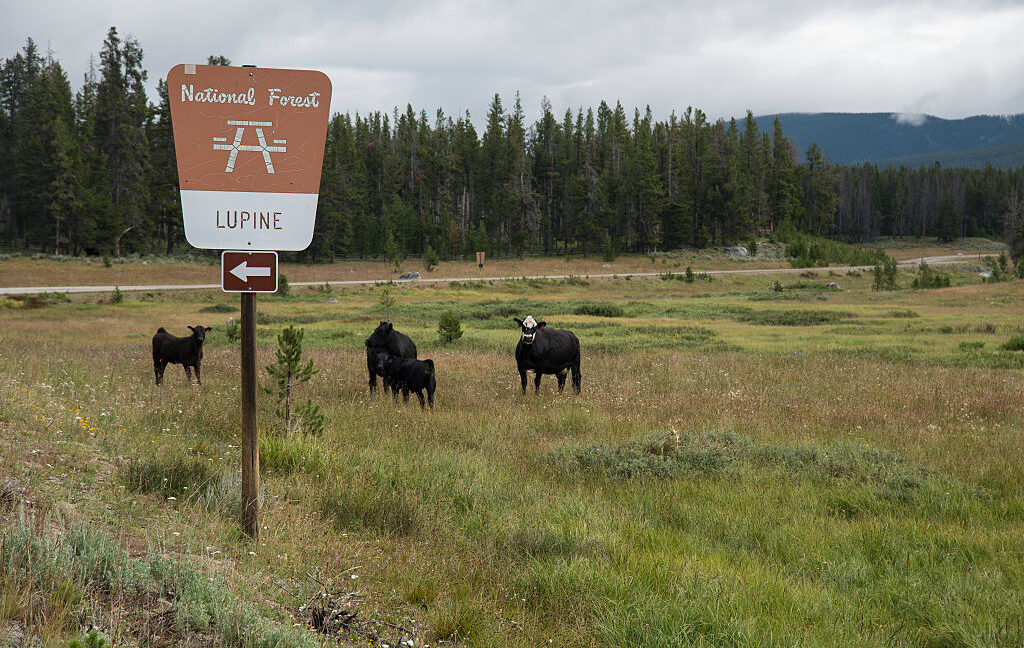
The Bureau of Land Management is rewriting its public lands grazing rules for the first time in 30 years. The proposed changes would reduce opportunities for public participation in the process.
The Bureau of Land Management (BLM) is undertaking its first comprehensive rewrite of federal grazing regulations since 1995, according to Ars Technica. The proposed overhaul would alter how the agency manages livestock grazing on public lands — territory held in common by all Americans — and would reduce the degree to which members of the public can formally participate in decisions about that use.
The outlet reports that the revision marks a significant shift in regulatory approach, though the full scope and specific provisions of the proposed rules were not detailed in the source item beyond the reduction in public involvement mechanisms.
**Why Now**
Thirty years is a long interval between regulatory reviews of this scale, and the timing places the rewrite within the current administration's broader posture toward federal land management. The source does not specify what triggered the revision at this moment, or whether it was initiated by industry requests, executive direction, or internal agency review.
**Who Is Affected and What Is at Stake**
The affected parties are broad. Ranchers and livestock operators who hold federal grazing permits depend on clear, stable regulations for their livelihoods. Environmental groups, outdoor recreation advocates, tribal communities with interests in public lands, and ordinary citizens who rely on public comment processes as a legal avenue for input all stand to be affected by changes in how those processes work. Public lands grazing touches on questions of water quality, wildlife habitat, and the long-term condition of land held for shared use across generations.
**What Remains Disputed or Unknown**
The source item provides limited detail on the specific rule changes proposed. Proponents of streamlining the process may argue that reduced procedural layers allow ranchers to operate with greater efficiency and less regulatory uncertainty — a reasonable concern for small agricultural operations. Critics contend that public comment requirements exist precisely to ensure that decisions affecting shared resources reflect more than the interests of permit holders alone. The relative merits of these positions, and the specific regulatory text that would settle them, are not fully available from this report alone. Readers tracking this story should consult BLM's official rulemaking record as it becomes available.
---
**
Four-lens scores, each out of 10. Biblical Alignment 5. Prophetic Significance 5. Source Credibility 8. Humanities Impact 5.
Why this assessment
Read the four lenses together, not the total. A high score does not mean a story is true, morally good, prophetically fulfilled, or endorsed by Dot 1 News; a low score does not mean it is false or unimportant. Source Credibility concerns evidence only and is separate from theological alignment.
D1‑4LS assessment · an experimental framework still being tested. How the scoring works
Loading…