
India Tests a New Model for Vision Care: Eye Exams at the Post Office
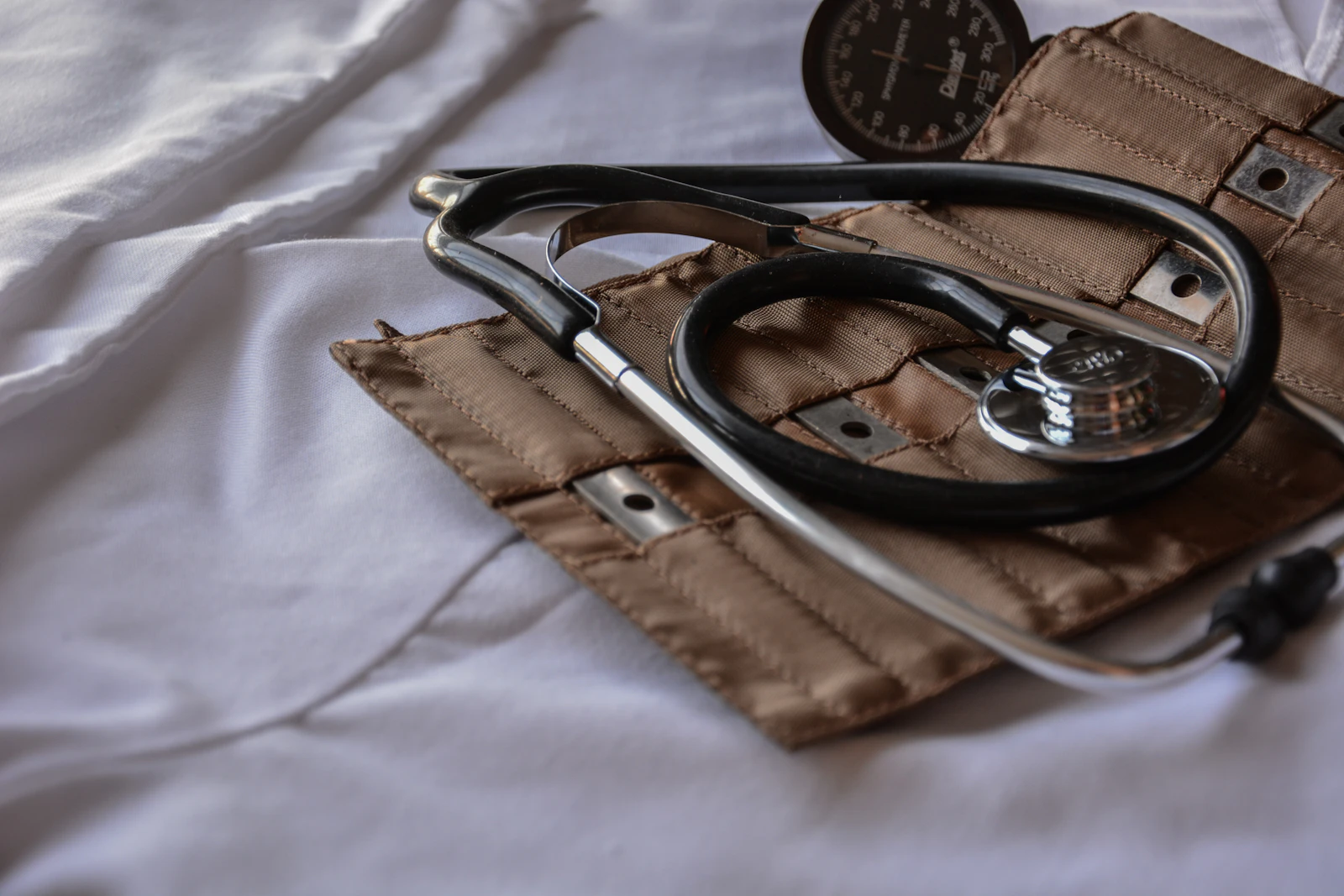
Post offices in some Indian towns are offering basic eye tests to visitors, a community-based effort to address the widespread lack of access to corrective lenses among people who need them.
Millions of people around the world who need corrective lenses do not have them — and in some parts of India, a modest experiment is underway to close that gap. According to NPR — Health Shots, post offices in certain Indian towns have begun offering eye tests to visitors, including those observed struggling to read fine print. The initiative uses an existing public infrastructure network to reach people who may not otherwise seek or access vision care.
The outlet reports the approach is designed to meet people where they already are, rather than requiring them to navigate a separate healthcare system. Post offices, as familiar and regularly visited community institutions, represent a practical point of contact for a population with significant unmet need.
**Why This, Why Now**
Vision impairment from uncorrected refractive errors — conditions correctable with basic glasses — is one of the most common and addressable causes of disability worldwide. In lower-income settings, barriers including cost, distance, and awareness keep many people from receiving even a simple pair of reading glasses. Routing basic screenings through existing civic infrastructure is a strategy public health practitioners have explored in various contexts as a way to reduce those barriers.
**Who Is Affected**
The people most directly affected are residents in the Indian towns where the program operates, particularly older adults and others experiencing difficulty with close-up vision. More broadly, the model has potential relevance for communities in other countries where vision care access is limited and postal networks are widespread.
**What Remains Unknown**
The NPR — Health Shots summary does not specify how many towns or post offices are involved, what organization or government body is administering the program, how eye tests are conducted or by whom, what the cost structure looks like, or what outcomes have been measured so far. The scale, replicability, and long-term effectiveness of the initiative remain unclear from the available source material.
---
**
Four-lens scores, each out of 10. Biblical Alignment 5. Prophetic Significance 5. Source Credibility 8. Humanities Impact 5.
Why this assessment
Read the four lenses together, not the total. A high score does not mean a story is true, morally good, prophetically fulfilled, or endorsed by Dot 1 News; a low score does not mean it is false or unimportant. Source Credibility concerns evidence only and is separate from theological alignment.
D1‑4LS assessment · an experimental framework still being tested. How the scoring works
Loading…